Wood breathes. Here’s what that means for your project.
Think of a wood board like a sponge. When the air is humid, it soaks up a little moisture and gets slightly wider. When the air dries out in winter, it lets that moisture go and shrinks back down. A 24-inch tabletop can easily grow or shrink half an inch between summer and winter — and that’s why a poorly built one cracks, cups, or pulls the screws out of its base.
The good news: this is predictable. If you know two things — what species the wood is, and how much the humidity changes in the room where it’ll live — you can calculate within about 1/32 of an inch how far it will move. The rest is just leaving room for it.
The three terms you actually need
- Moisture content (MC)
- The percentage of water in the wood, by weight. Kiln-dried lumber from the yard is usually around 6–8% MC. As the seasons change, it drifts a few points up and down. A typical indoor swing is about 8% ΔMC (“change in MC”) — that’s the number you’ll plug into every movement calculation.
- Tangential (flatsawn)
- The movement that matters most. On a flat-cut board — the kind with those tall cathedral arches running down the face — “tangential” is how much it grows or shrinks across its width. Bigger, splashier number. This is usually what’s ruining your joint.
- Radial (quartersawn)
- The calmer cousin. On a quarter-cut board — the kind with tight straight grain lines running down the face — “radial” is how much it moves across its width. Typically about half the tangential number. That’s why quartersawn oak makes better tabletops than flatsawn.
Put them together and you get the formula
Every species has a coefficient — a small number (usually between 0.0015 and 0.004) that captures how much it moves per 1% of moisture change. Multiply three things together and you have your answer:
width (in) × coefficient × ΔMC (%) = movement (in)
Red oak example. You’re building a 24-inch red oak tabletop. Red oak’s tangential coefficient is 0.00369. Your shop swings 8% MC between seasons. So: 24 × 0.00369 × 8 = 0.71 inches of movement. That’s why tabletops aren’t screwed solid — they need slots or buttons that let the top breathe.
Every species has its own personality
Beech throws its weight around. Mahogany barely moves. The T/R ratio (tangential divided by radial) tells you whether the wood stays flat or tends to cup and twist — anything under 2.0 is considered stable, over 2.5 needs careful grain selection and orientation.
Pick a species below to see its numbers, its movement at common board widths, and whether it’s the right pick for your project.
Hardwoods
-
 American ElmUlmus americanaT 0.0034 R 0.0015 T/R 2.18
 -
 BasswoodTilia americanaT 0.0033 R 0.0022 T/R 1.49
 -
 BeechFagus grandifoliaT 0.0040 R 0.0019 T/R 2.09
 -
 Black CherryPrunus serotinaT 0.0025 R 0.0013 T/R 1.97
 -
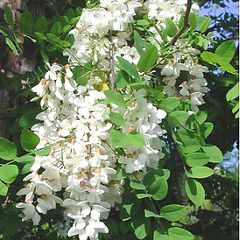 Black LocustRobinia pseudoacaciaT 0.0026 R 0.0017 T/R 1.58
 -
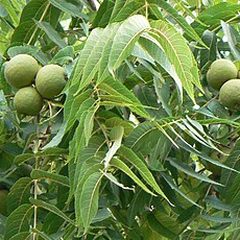 Black WalnutJuglans nigraT 0.0027 R 0.0019 T/R 1.44
 -
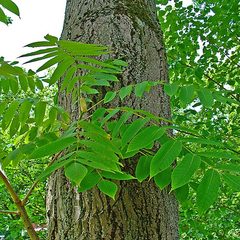 ButternutJuglans cinereaT 0.0022 R 0.0011 T/R 2.04
 -
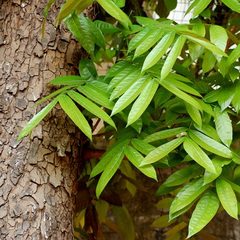 Genuine MahoganySwietenia macrophyllaT 0.0015 R 0.0011 T/R 1.41
 -
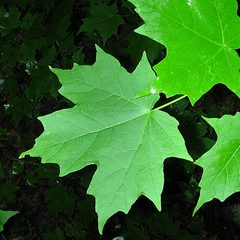 Hard MapleAcer saccharumT 0.0035 R 0.0017 T/R 2.13
 -
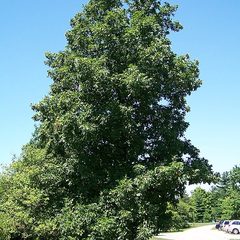 HickoryCarya spp.T 0.0038 R 0.0025 T/R 1.54
 -
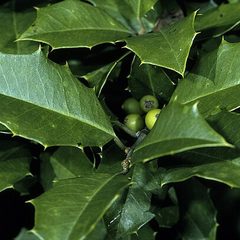 HollyIlex opacaT 0.0033 R 0.0017 T/R 1.96
 -
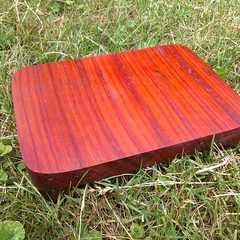 PadaukPterocarpus soyauxiiT 0.0022 R 0.0012 T/R 1.89
 -
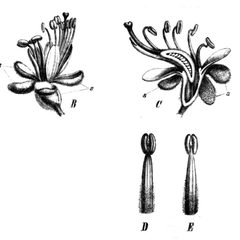 PurpleheartPeltogyne spp.T 0.0025 R 0.0013 T/R 1.89
 -
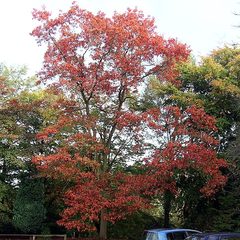 Red OakQuercus rubraT 0.0037 R 0.0016 T/R 2.34
 -
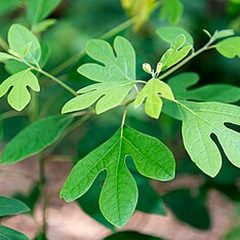 SassafrasSassafras albidumT 0.0022 R 0.0013 T/R 1.71
 -
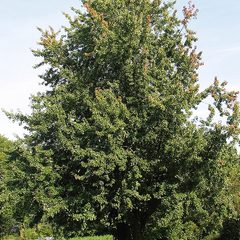 Soft MapleAcer saccharinumT 0.0029 R 0.0011 T/R 2.64
 -
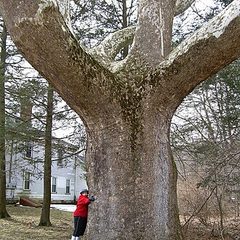 SycamorePlatanus occidentalisT 0.0029 R 0.0017 T/R 1.68
 -
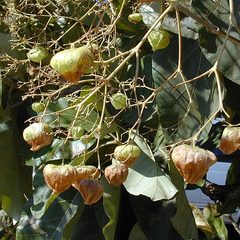 TeakTectona grandisT 0.0017 R 0.0010 T/R 1.71
 -
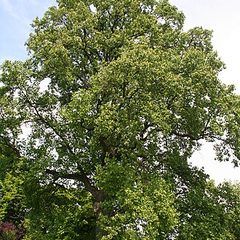 Tulip PoplarLiriodendron tulipiferaT 0.0029 R 0.0016 T/R 1.84
 -
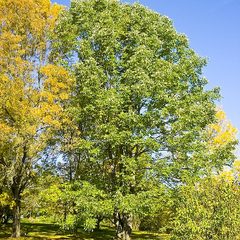 White AshFraxinus americanaT 0.0027 R 0.0017 T/R 1.61
 -
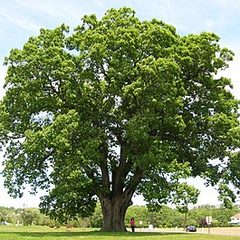 White OakQuercus albaT 0.0037 R 0.0018 T/R 2.03
 -
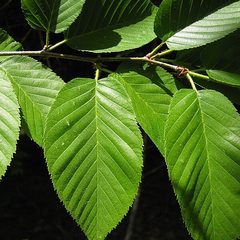 Yellow BirchBetula alleghaniensisT 0.0034 R 0.0026 T/R 1.32
 -
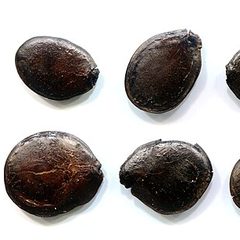 ZebrawoodMicroberlinia brazzavillensisT 0.0029 R 0.0015 T/R 1.87
Softwoods
-
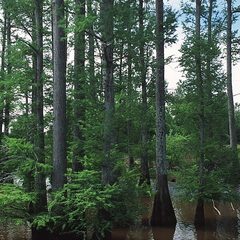 Bald CypressTaxodium distichumT 0.0022 R 0.0013 T/R 1.69
 -
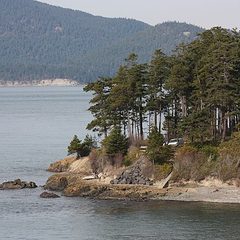 Douglas FirPseudotsuga menziesiiT 0.0027 R 0.0017 T/R 1.61
 -
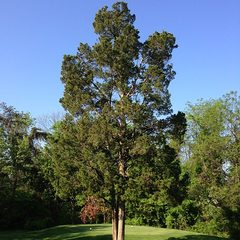 Eastern Red CedarJuniperus virginianaT 0.0018 R 0.0011 T/R 1.66
 -
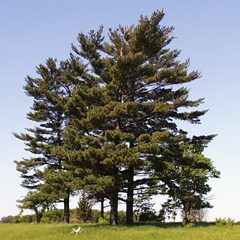 Eastern White PinePinus strobusT 0.0022 R 0.0007 T/R 3.17
 -
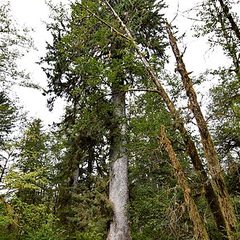 Sitka SprucePicea sitchensisT 0.0026 R 0.0015 T/R 1.69
 -
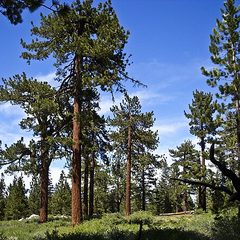 Southern Yellow PinePinus spp.T 0.0026 R 0.0017 T/R 1.58
 -
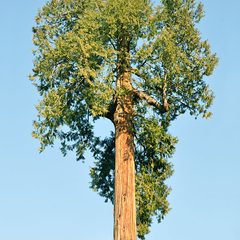 Western Red CedarThuja plicataT 0.0018 R 0.0008 T/R 2.20
Calculate movement for your project in two taps
Dead On has all 30 species built in, with visual diagrams, plus 12 other calculators for fractions, joinery, and shop math.
Download Dead On — FreeSpecies photos via Wikimedia Commons, used under their respective licenses. Original contributors credited on each image’s Commons file page.